Pathworking & Guided Journeying
Walking the Roads Between Symbol and Spirit
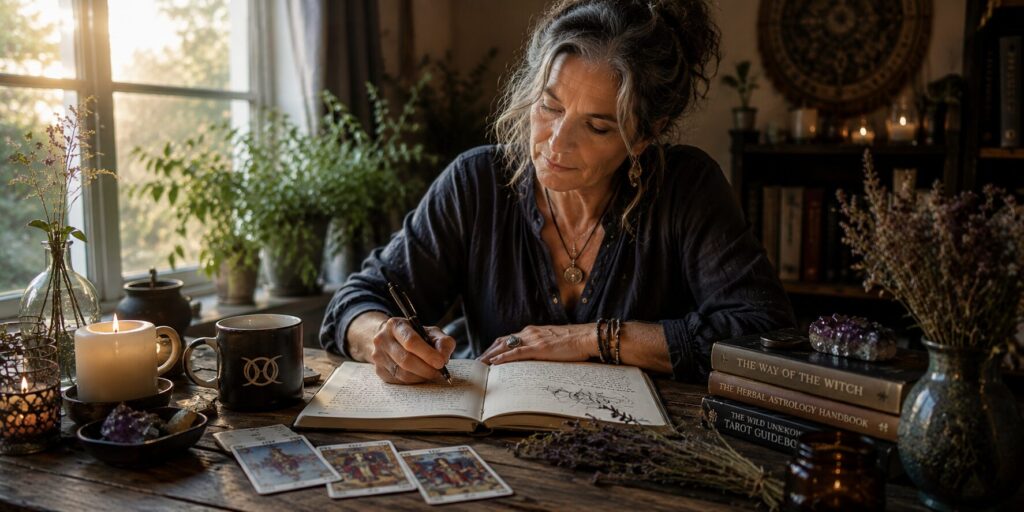
Pathworking is the art of entering symbolic space with intention. Through guided imagery, trance, meditation, and ritualized imagination, the practitioner journeys into inner landscapes where wisdom, memory, intuition, and spiritual insight may be encountered. These journeys may take the form of wandering forests, descending into caves, climbing sacred mountains, visiting ancient temples, or meeting guides along forgotten roads. Though these places may appear imagined, many magical traditions regard them as meaningful territories where the conscious mind, unconscious mind, and spiritual world intersect.
Human beings naturally think in stories, symbols, and images. Dreams speak through them. Myths preserve them. Divination interprets them. Throughout history, gods, ancestors, spirits, and guiding intelligences have often been said to communicate through symbolic visions rather than direct speech. A dream of a river may speak of change. A crossroads may signal an important choice. A raven may appear as a messenger. Pathworking allows practitioners to consciously enter the same symbolic language while awake, learning to recognize patterns that might otherwise pass unnoticed.
For this reason, pathworking sits at a unique crossroads within magical practice. It shares deep roots with Dream Magic, where the symbolic mind speaks freely during sleep, and complements Divination, where symbols are interpreted through cards, runes, omens, and other tools. In many ways, pathworking serves as a training ground for both. It teaches the practitioner how symbols behave, how intuition emerges, and how meaning reveals itself through repeated encounters. Over time, this develops a form of symbolic literacy—the ability to read the language through which dreams, spirits, archetypes, and the deeper self often communicate.
Within the Coven of the Veiled Moon, pathworking is used for spiritual exploration, magical training, seasonal alignment, ritual preparation, shadow work, and personal transformation. Some journeys seek wisdom. Others seek healing. Still others simply invite the practitioner to listen. Whatever the destination, the purpose remains the same: to walk consciously into mystery and return carrying insight from the road.
What Is Pathworking?
Pathworking is a structured form of guided journeying in which the practitioner intentionally enters a symbolic landscape through visualization, meditation, trance, or ritual. Rather than observing symbols from the outside, the pathworker steps into them—walking ancient roads, crossing thresholds, meeting guides, and exploring the hidden terrain of the inner world.
Though the landscapes may appear imagined, many magical traditions regard them as meaningful meeting places where intuition, memory, spirit, archetype, and personal transformation converge. Whether approached psychologically, spiritually, or somewhere between, pathworking allows practitioners to engage directly with the language of symbols.
Guided Journeying
Following a narrative path into symbolic or spiritual landscapes.
Vision Work
Receiving insight through images, encounters, and inner experiences.
Active Imagination
Engaging consciously with symbols, archetypes, and the deeper self.
Trance Travel
Entering an altered state to explore spiritual, mythic, or psychological realities.
Magical Training
Developing intuition, ritual awareness, spirit communication, and focus.
Symbolic Literacy
Learning to recognize the language shared by dreams, divination, myth, and magic.
Pathworking is not merely visualization. It is the practice of entering the symbolic realm intentionally and learning to navigate it with awareness.
Entering the Path
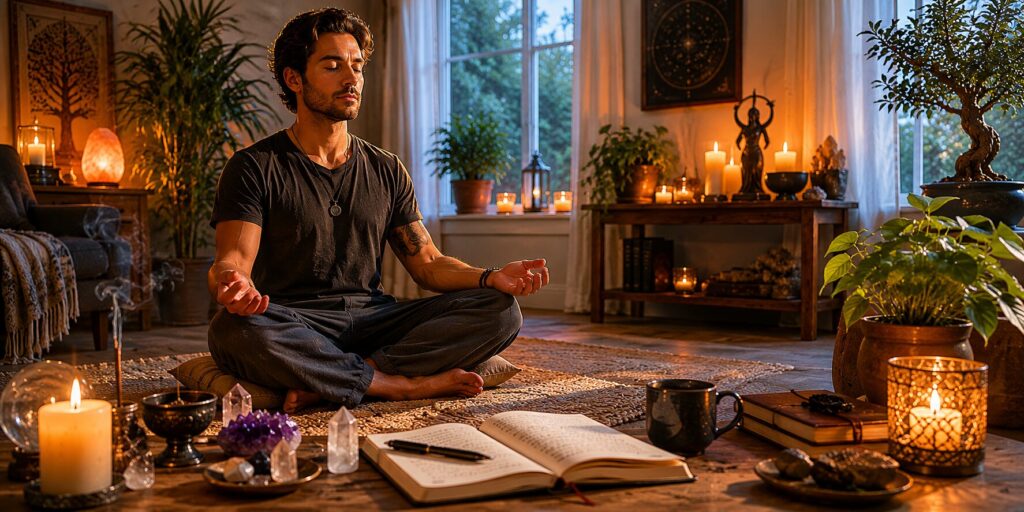
Pathworking begins before the first image appears. The practitioner prepares the body, steadies the mind, and approaches the symbolic realm with respect. This is not casual daydreaming, but a deliberate movement into inner territory where dreams, divination, memory, and spirit may begin speaking in the same language.
Preparing the Mind
Before a journey begins, the practitioner settles the nervous system through breath, stillness, prayer, music, candlelight, or another grounding ritual. The goal is not to force visions, but to create a receptive state. A scattered mind often produces scattered images; a centered mind is better able to recognize meaning when it appears.
Crossing the Threshold
Most pathworkings begin with a symbolic entrance: a gate, a forest path, a staircase, a cave mouth, a shoreline, a door, or a crossroads. This threshold marks the shift from ordinary awareness into sacred imagination. In magical practice, such images matter. They tell the mind and spirit, we are entering another mode of knowing now.
Following the Journey
A pathworking may be guided by spoken words, written prompts, music, ritual structure, or inner instinct. The important skill is balance. The practitioner should not control every detail, but also should not drift aimlessly. True pathworking lives between discipline and surrender: enough structure to stay safe, enough openness for symbols to surprise you.
Meeting Guides & Symbols
Along the path, figures, animals, deities, ancestors, spirits, or symbolic presences may appear. These encounters should be approached with discernment rather than automatic belief. A guide may be spiritual, psychological, archetypal, ancestral, or some mixture of these. What matters is not only who appears, but what patterns emerge over time.
Returning Home
Every journey should include a clear return. The practitioner retraces the path, thanks any guides or presences, crosses back through the threshold, and grounds in the body. Food, water, touch, journaling, or simple movement can help anchor the experience. Returning well is part of the magic; it keeps the work integrated rather than disorienting.
Common Places Along the Path
Pathworking often unfolds through recurring landscapes. These places are not random decorations. They are symbolic territories, each carrying a different emotional, magical, and spiritual resonance. Over time, noticing where you are taken—and what keeps appearing there—becomes part of the practice of symbolic literacy.
The Forest
The forest is the realm of instinct, mystery, initiation, and becoming lost in order to be changed. It often appears when the practitioner is entering unknown territory or learning to trust deeper perception.
The Cave
The cave leads inward and downward. It is a place of shadow work, hidden memory, ancestral echoes, and truths that have been buried beneath ordinary awareness.
The Temple
The temple suggests sacred contact, devotion, ritual knowledge, and encounter with powers greater than the self. Deities, guides, and spiritual teachers often appear in temple spaces.
The Mountain
The mountain is challenge, ascent, perspective, and spiritual discipline. It may represent the work required to see clearly from a higher place.
The Crossroads
The crossroads marks choice, fate, uncertainty, and threshold magic. It is a place where paths divide, guides appear, and decisions take on spiritual weight.
The Sacred Well
The well is a descent into memory, healing, dream, and ancestral wisdom. It often carries the feeling of receiving rather than forcing insight.
The Shoreline
The shoreline is a liminal place between worlds: land and sea, waking and dreaming, conscious and unconscious. It often appears during emotional transition.
The Ancient Library
The library holds forgotten knowledge, personal records, spirit archives, and teachings waiting to be remembered. It may appear when the practitioner is ready to study the pattern behind the symbol.
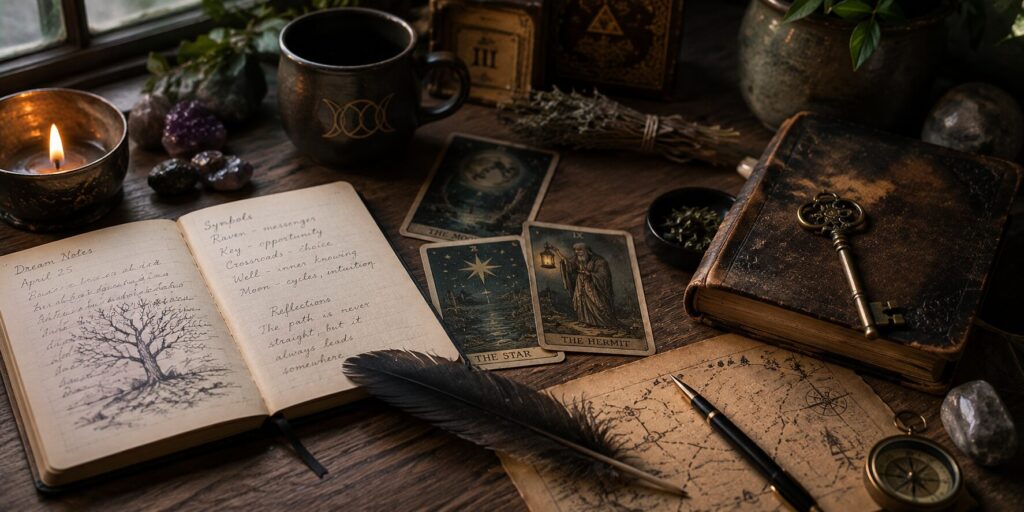
Pathworking, Dreams & the Language of Magic
Many magical practices rely on symbols. Dreams present them. Divination interprets them. Mythology preserves them. Pathworking teaches the practitioner how to enter that symbolic world consciously and learn its language. Over time, this develops what might be called symbolic literacy—the ability to recognize meaning, patterns, and communication hidden beneath ordinary appearances.
Dreams as Natural Pathworking
Dreams and pathworking are close relatives. Both unfold through symbols, landscapes, encounters, and stories that speak to the deeper layers of the self. The difference is that dreams arise spontaneously during sleep, while pathworking enters similar territory intentionally. Many practitioners discover that locations, guides, animals, and symbols encountered during pathworking later appear in dreams—and vice versa. This is one reason Pathworking and Dream Magic often strengthen one another.
Divination and Symbolic Literacy
A tarot card, rune, omen, or scrying vision rarely communicates through literal instruction. Instead, it speaks through symbolism. Pathworking helps practitioners become more fluent in that language. A person who has spent time exploring symbolic landscapes often develops a deeper appreciation for the images encountered during divination because they have learned to ask not only “What does this symbol mean?” but also “Why is this symbol appearing now?” In this way, pathworking naturally complements Divination and strengthens intuitive interpretation.
When Gods Speak in Symbols
Throughout history, many traditions have taught that gods, spirits, ancestors, and guiding intelligences rarely communicate through direct speech alone. Instead, they appear through dreams, visions, recurring symbols, mythic encounters, synchronicities, and symbolic experiences. A river may represent change. A crossroads may signal an important decision. A guide may appear in many forms before their meaning becomes clear. Pathworking offers a structured way to engage with these experiences while remaining awake and attentive.
Fantasy vs. Meaningful Experience
A common concern among beginners is distinguishing genuine insight from simple imagination. In practice, imagination is not the enemy of pathworking—it is the vehicle through which the journey occurs. What separates pathworking from idle fantasy is intention, reflection, and pattern recognition. A random image may mean little. A symbol that returns repeatedly across dreams, rituals, divination sessions, and pathworkings deserves attention. Meaning often reveals itself over time rather than in a single dramatic moment.
Shadow Work & Personal Transformation
Pathworking provides a safe symbolic environment for exploring grief, fear, conflict, desire, memory, and personal growth. Rather than confronting these forces directly, the psyche often presents them through stories, landscapes, and characters. A locked door may represent avoidance. A cave may conceal forgotten memories. A mountain may embody a challenge yet to be overcome. By working with these symbols consciously, the practitioner gains insight that can later be integrated into everyday life.

Recording the Journey
A pathworking may last only a few minutes, but its symbols can echo for years. Dreams fade. Visions blur. Insights that seemed unforgettable often become difficult to recall with precision. Recording the journey preserves those experiences and, more importantly, reveals patterns that cannot be seen from a single encounter alone.
This is where symbolic literacy truly develops. A raven that appears once may be interesting. A raven that appears repeatedly across dreams, divination sessions, rituals, and pathworkings may be trying to tell a story. Recording allows the practitioner to follow those threads wherever they lead.
The Grimoire
Traditionally, a grimoire functions as a book of magical knowledge. Rituals, correspondences, invocations, herbal notes, spirit work, and magical theory often find a home here. It serves as a reference library for magical practice.
The Book of Shadows
A Book of Shadows often emphasizes lived experience. Ritual notes, moon observations, personal workings, divinatory results, dreams, and spiritual discoveries may all be recorded within its pages. It becomes a chronicle of practice rather than simply a collection of information.
The Reflection Journal
A reflection journal focuses on transformation itself. Rather than documenting spells or techniques, it tracks growth, recurring symbols, emotional patterns, spiritual questions, and personal evolution. It asks not only what happened, but how the journey changed the traveler.
Recording the Journey
A pathworking may last only a few minutes, but its symbols can echo for years. Dreams fade. Visions blur. Insights that seemed unforgettable often lose their shape unless they are anchored. Recording the journey preserves the experience, but more importantly, it reveals patterns that cannot be seen from a single encounter alone.
Grimoire
A grimoire often functions as a book of magical knowledge: rituals, correspondences, invocations, herbs, spirits, theories, and methods.
Book of Shadows
A Book of Shadows often records lived practice: rituals performed, dreams remembered, divination results, moon work, spell notes, and spiritual discoveries.
Reflection Journal
A reflection journal follows transformation itself: recurring symbols, emotional patterns, spiritual questions, inner changes, and lessons gathered over time.
Where Symbolic Literacy Begins
The deeper purpose of recording is pattern recognition. A raven in one dream may be interesting. A raven appearing again in pathworking, then again in divination, then again during ritual, begins to form a message. Over time, symbols start speaking to one another.
This is where isolated experiences become an unfolding conversation. The journal becomes more than a place to store memories; it becomes the map by which the path begins to reveal itself.
After the Journey
A pathworking does not end the moment the eyes open. The return is part of the practice. After traveling through symbolic space, the practitioner should come back gently, ground the body, and give the experience enough attention to become useful rather than fleeting.
Return
Retrace the path, close the doorway, thank any guides or presences, and clearly leave the journey behind.
Ground
Drink water, eat something simple, touch the floor, breathe deeply, or move the body to anchor yourself.
Record
Write down images, emotions, words, colors, figures, places, and anything that felt charged or repeated.
Reflect
Ask what the journey may be showing you, but avoid forcing an answer before the symbols have time to settle.
Integrate
Let the insight influence practice, healing, divination, ritual planning, or ordinary life in grounded ways.
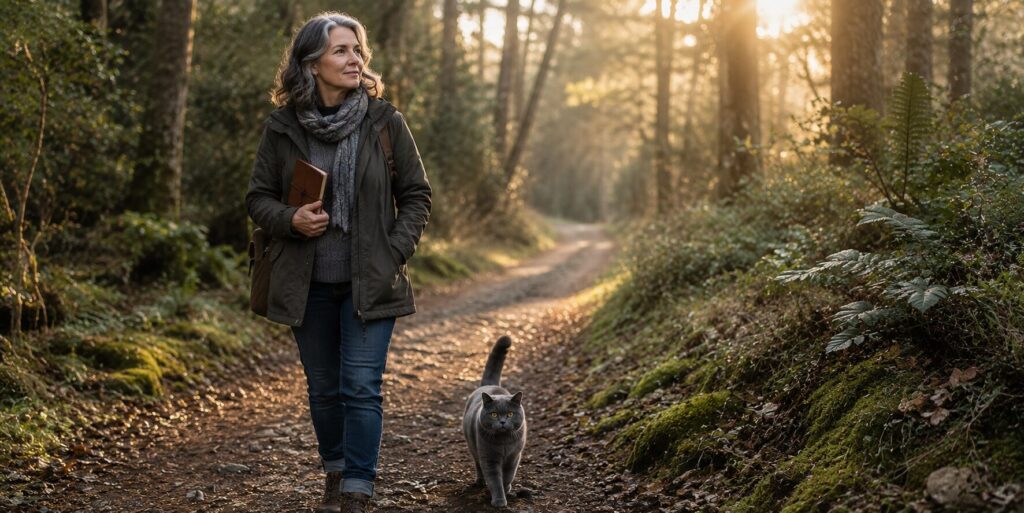
Pathworking is often described as a journey through the imagination, yet the most important paths are rarely the roads themselves. The forest, the temple, the crossroads, the cave, the ancient guide, the speaking animal, the forgotten well—these are not merely destinations. They are symbols, and symbols are among the oldest languages humanity has ever known.
Long before books, people learned through stories. Long before philosophy, people dreamed. Myths, visions, dreams, omens, rituals, and sacred tales all emerged from the same symbolic soil. Whether one understands pathworking as a spiritual practice, a psychological technique, or a meeting place between the two, it invites the practitioner into that ancient conversation. The journey becomes a way of listening.
Over time, the practitioner begins to notice something remarkable. Symbols return. The same guide appears in dreams. The same animal emerges in divination. The same landscape unfolds during meditation. What first seemed like isolated experiences gradually reveal themselves as parts of a larger pattern. The path begins to weave itself through daily life, dreams, rituals, relationships, and moments of quiet insight. Meaning emerges not from a single vision, but from the connections between many.
This is why pathworking is ultimately not an escape from reality. It is a deeper engagement with it. The places visited may exist nowhere on a physical map, yet the wisdom gathered there often reshapes the roads walked in waking life. Courage discovered in a symbolic forest becomes courage carried into difficult conversations. Healing found beside an imagined well becomes healing pursued in the everyday world. The journey may occur within, but its effects extend far beyond the boundaries of the vision.
The pathworker walks between worlds—between dreaming and waking, symbol and meaning, mystery and understanding. With patience, reflection, and practice, those inner roads become familiar. The traveler learns their landmarks, listens to their messages, and discovers that the destination was never simply the journey itself. It was the transformation of the one who walked it.
Continue the Journey