Coven of the Veiled Moon
The Turning Year of the Veiled Moon
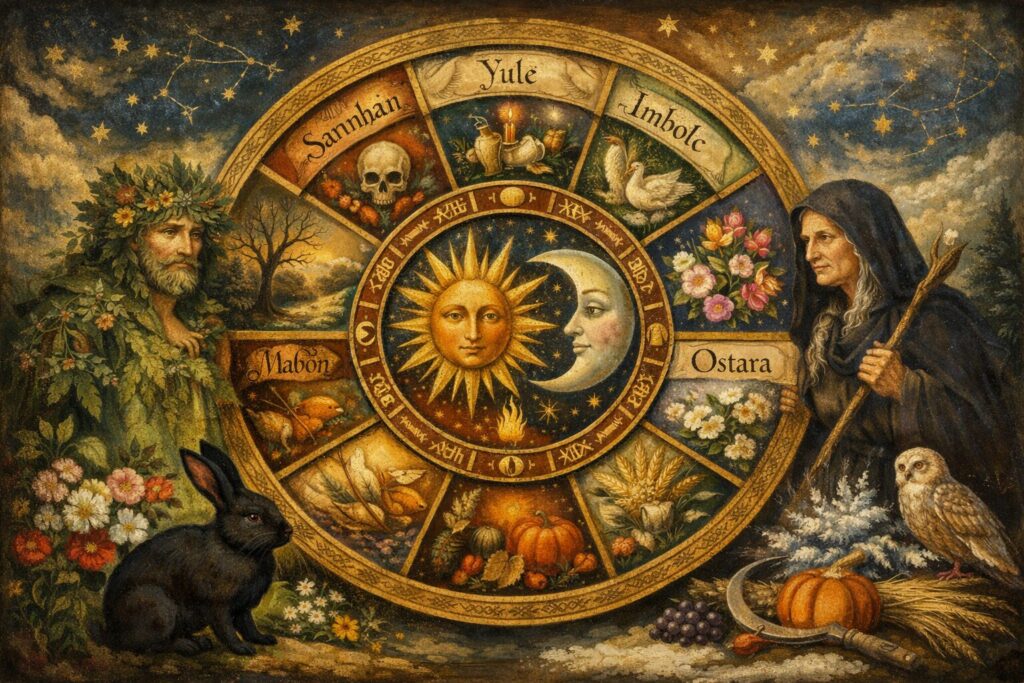
Seasonal observances and holidays are foundational to living spiritual traditions. They create shared moments in time that help anchor practice, memory, and meaning. Whether marked through ritual, gathering, reflection, or simple personal observance, these celebrations provide a rhythm that shapes both individual spiritual life and communal identity. They offer opportunities to pause, to mark change, to honor transitions, and to consciously step into the cycles of growth, decline, rest, and renewal that define both the natural world and human experience.
At My Cousin’s Coven, we honor the Sabbats as key points in the turning of the year, while also recognizing the importance of lunar rites and other sacred observances as distinct but related practices. In addition, our community often aligns Pagan holy days with broader cultural and seasonal celebrations where meaningful overlap exists. Yule may be observed alongside Christmas for many in our community. Samhain may coincide with Halloween. May Day traditions may naturally intertwine with Beltane. While these are the observances we tend to recognize and work with most often, they also reflect a wider, pan-Pagan seasonal language shared across many traditions, even where theology, symbolism, and practice may differ.
This page offers an overview of the major seasonal celebrations observed within MCC, providing a framework for understanding how the sacred year is marked, honored, and lived. These observances serve many purposes: supporting ritual work, strengthening community bonds, offering devotional structure, and helping individuals stay aligned with the deeper currents of the year. Practices and dates may vary by tradition, land, and local custom, and we encourage readers to adapt these observances in ways that honor their own place, lineage, and spiritual relationships. Whether approached through formal workings, shared gatherings, or personal reflection, seasonal celebrations remain a vital way of participating consciously in the living cycle of time.
The Ritual Year
The Living Cycle of Sacred Time
As with all seasonal observances, practices and timing may vary by land, climate, and tradition. We invite you to adapt what follows to your local environment and your own spiritual path.
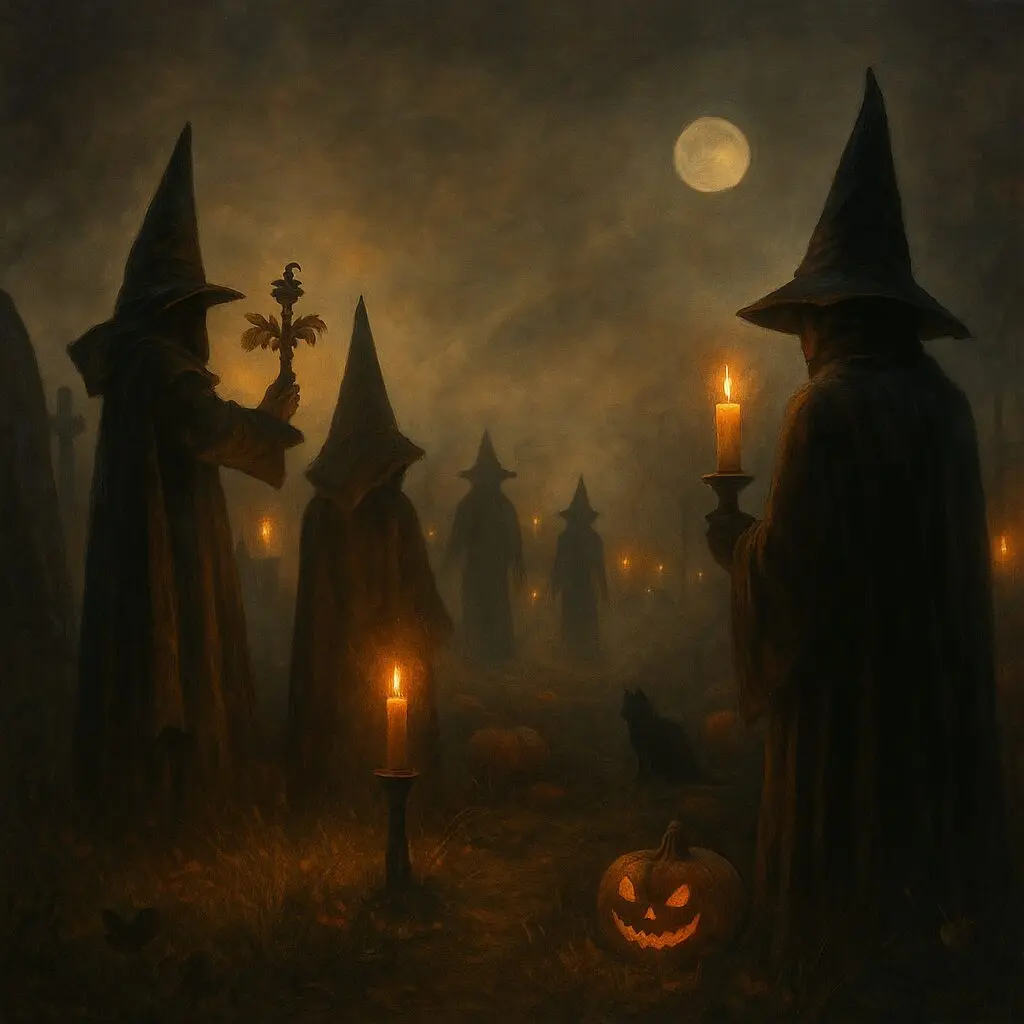
Samhain – The Thinning of the Veil
Beginning of the Dark, Introspective mystery, engage with spirits and shadow work. Welcoming the Crone, Trick-or-Treat.
October 31-November 1
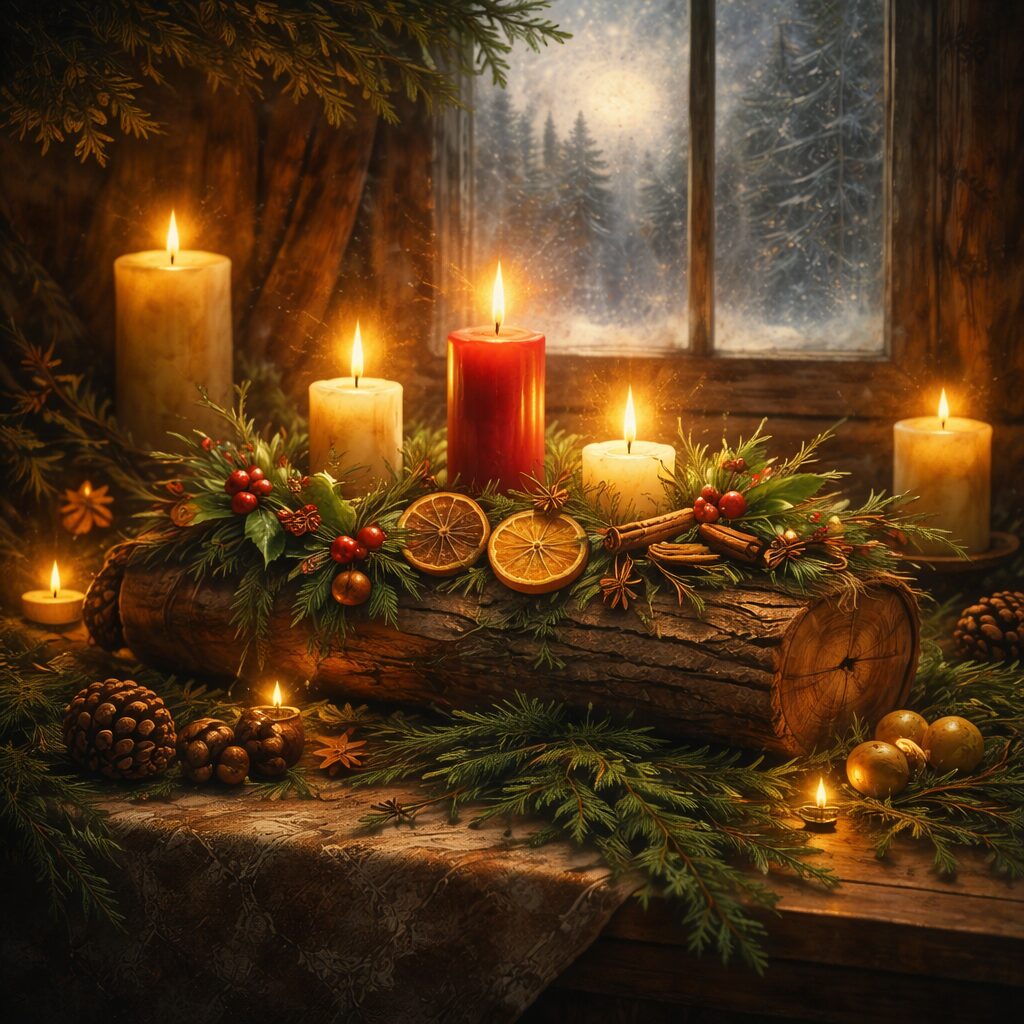
Rebirth of the Sun, returning light, renewal and hope. A festival of hearth, evergreen, candlelight, and the promise that light and life will return.
December 20–23
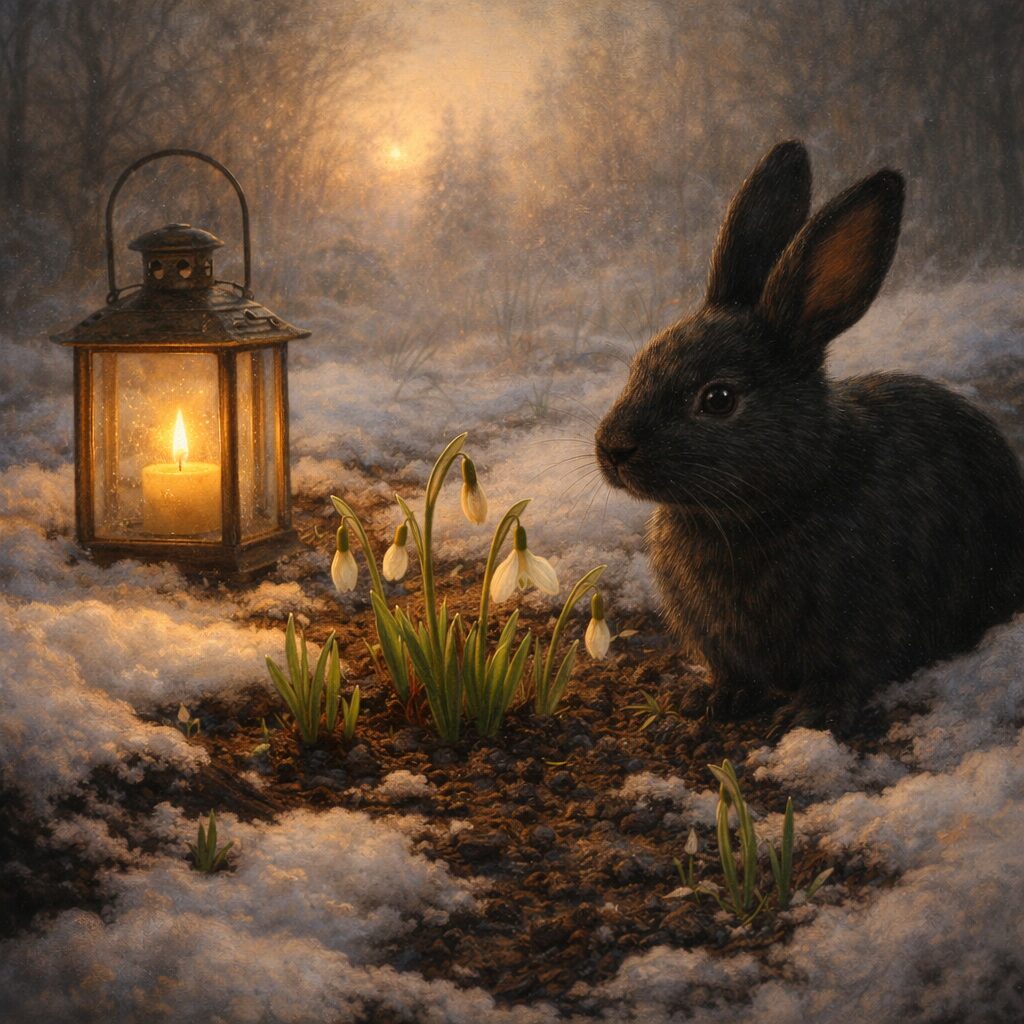
Imbolc — The First Stirring
Purification, awakening, and new beginnings. A time of cleansing, dedication, and the first movements of spring beneath the soil. The spark of new life.
February 1–2
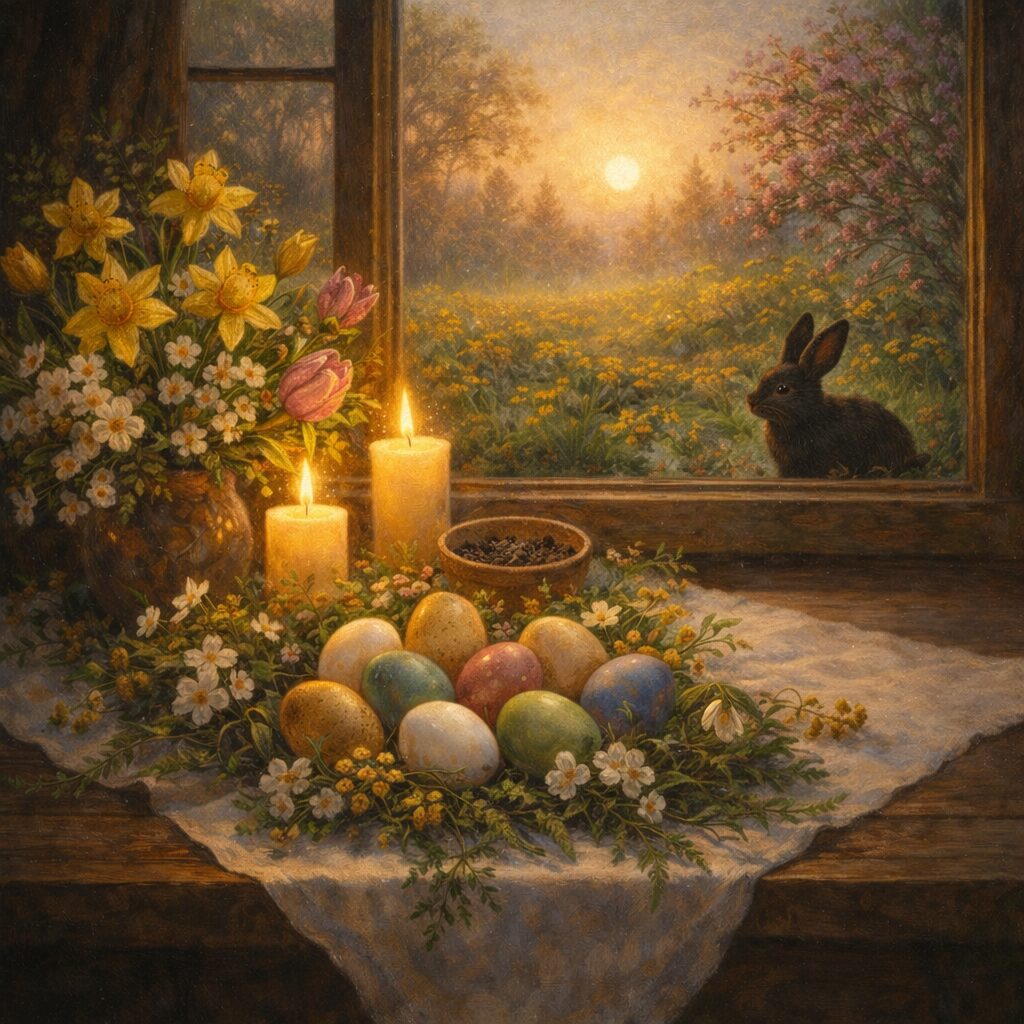
Ostara — The Spring Balance
Celebrating the balance of light and dark as the land awakens. A festival of seeds, eggs, flowers, and the expanding force of life.
March 19–22
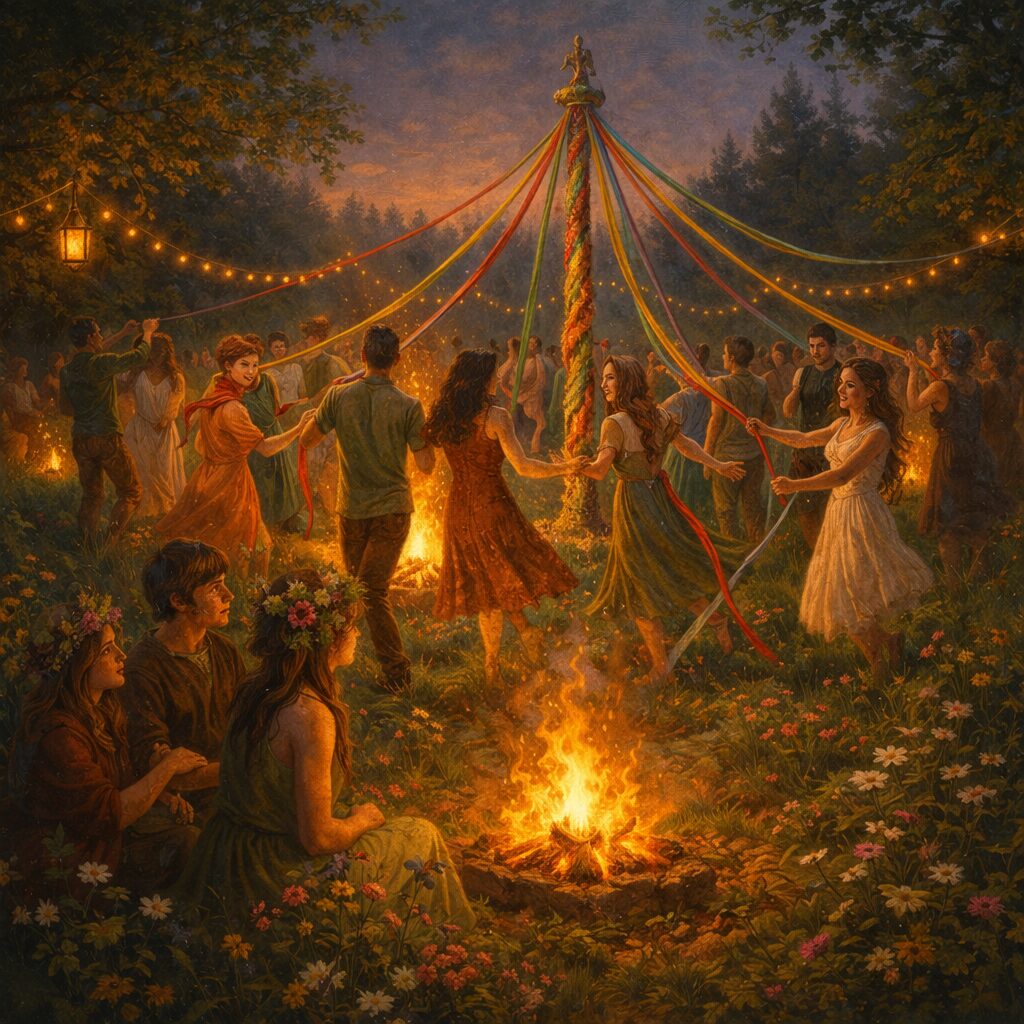
Honoring balance and gratitude, the bounty and the hunt. A day of reckoning and remembrance, death and rebirth, thanks
April 30 – May 1
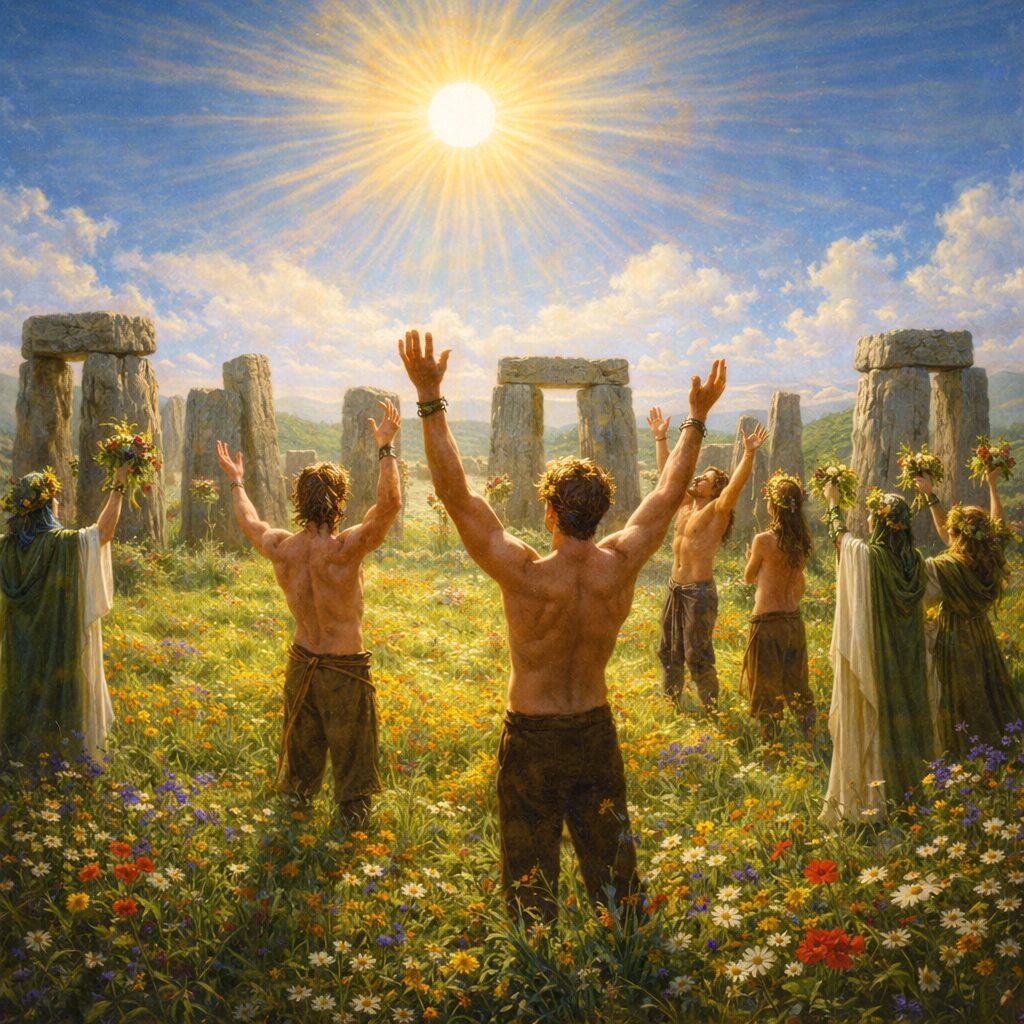
Litha — The Crown of the Sun
Honoring the Sun at its height and the fullness of life. A time for blessing, protection, and celebrating strength, growth, and radiant energy.
June 20–23
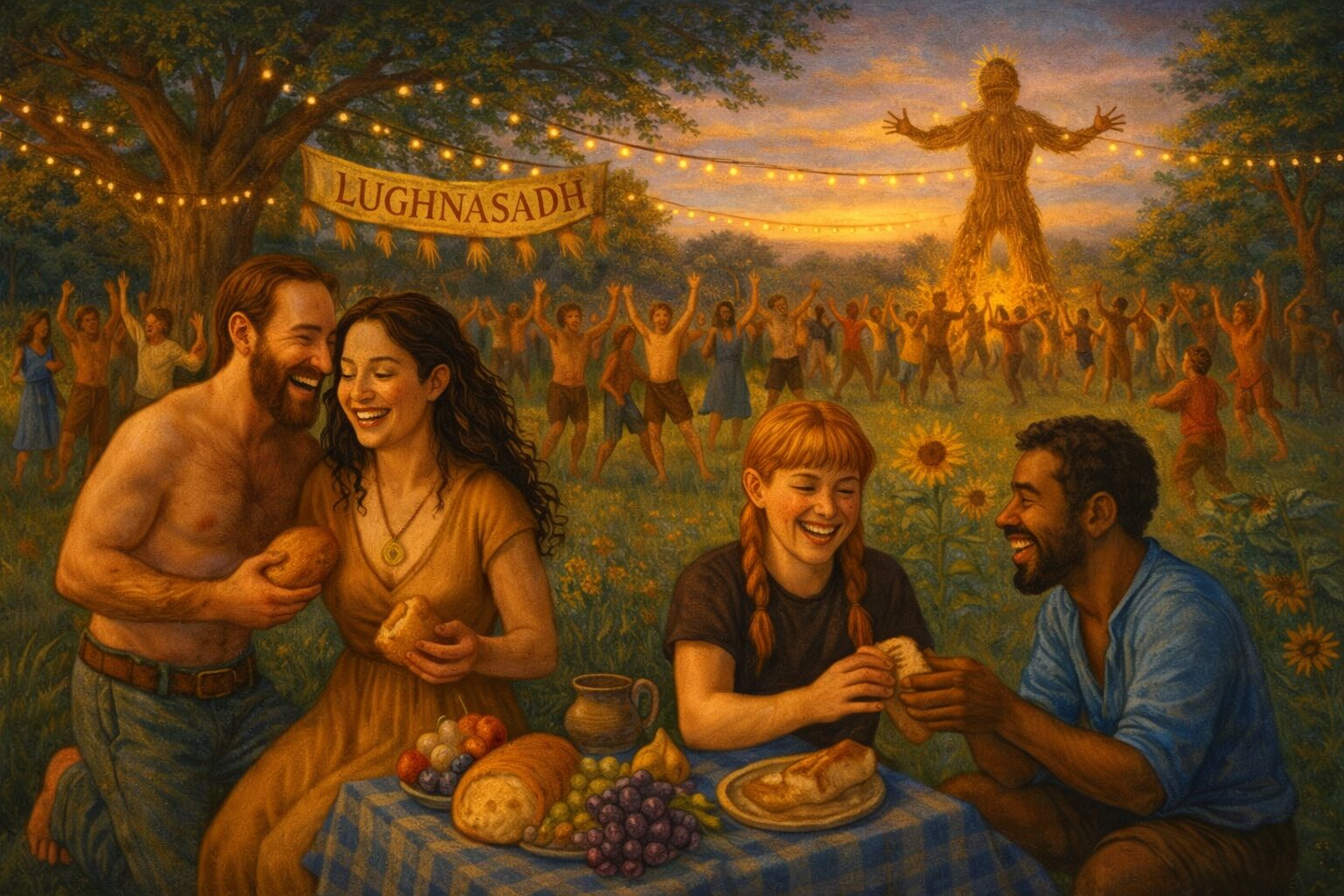
Lughnasadh – The Waning Sun
Prepare for the dark half of the year, harvest offerings such as corn dolls or sharing of loaves, first harvest and abundance
August 1-2
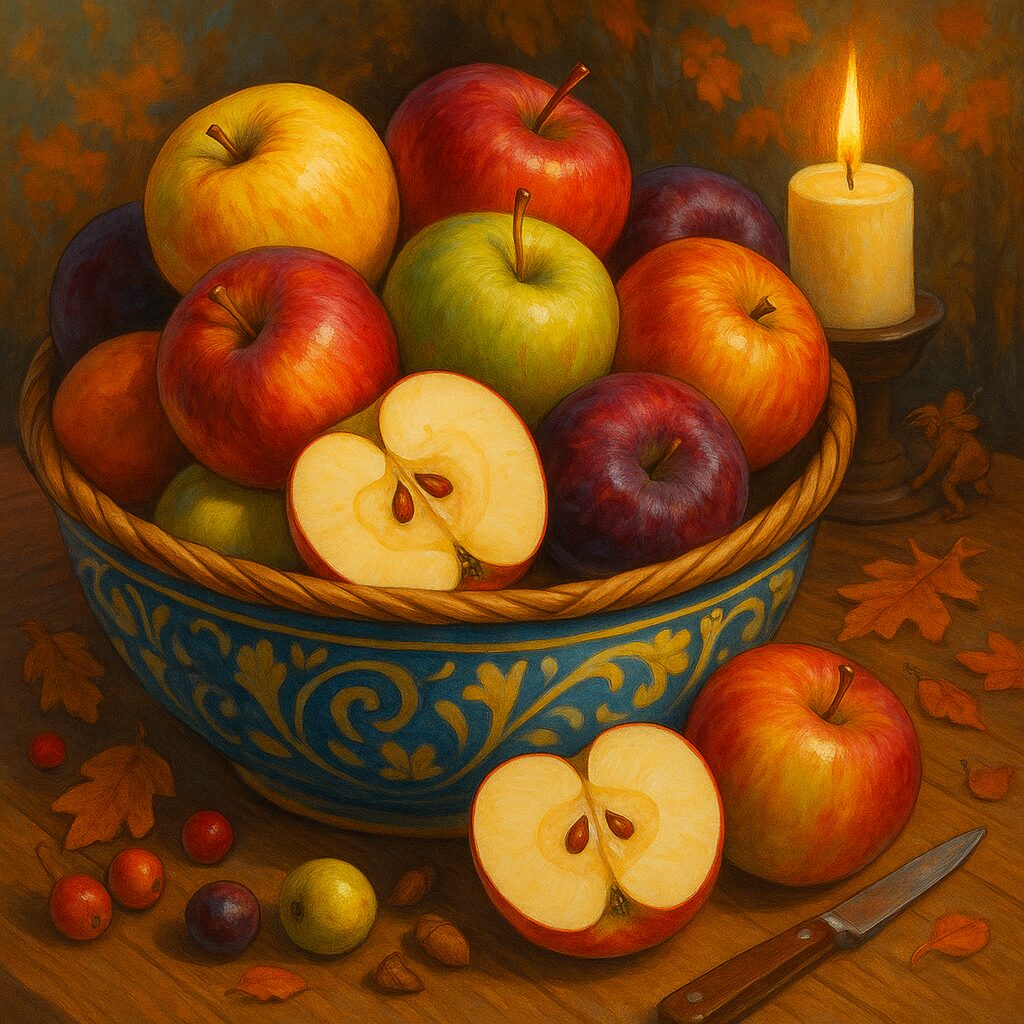
Honoring balance and gratitude, the bounty and the hunt. A day of reckoning and remembrance, death and rebirth, thanks
September 22
Other Common Pagan & Witch Observances
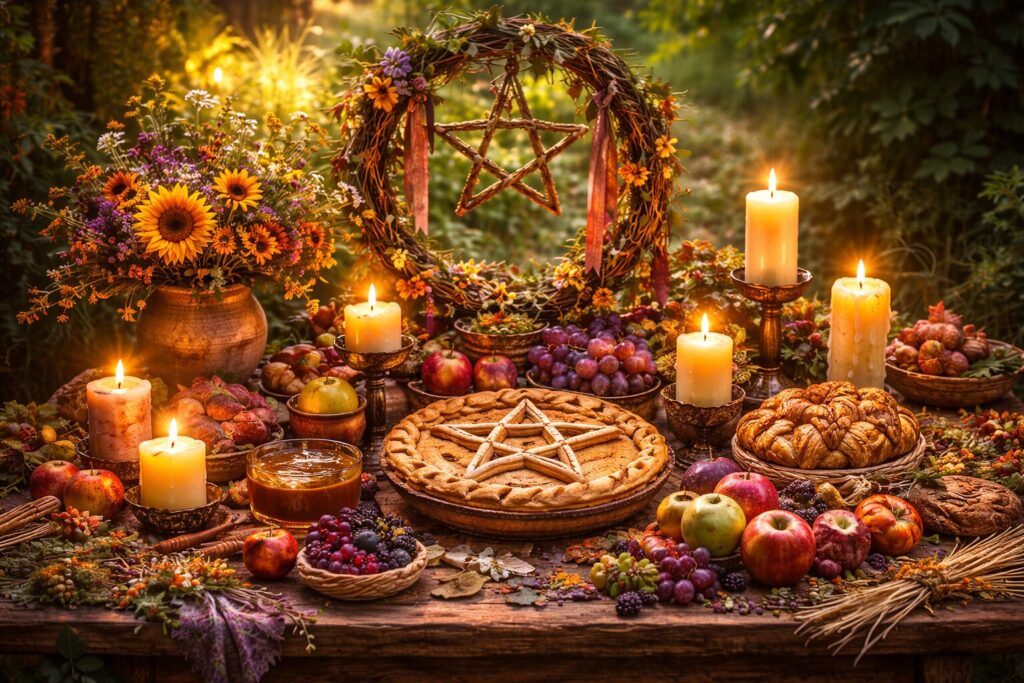
While the sabbats of the Wheel of the Year form the backbone of our ritual calendar, many witches and pagans also observe a wide range of additional holidays, feast days, remembrances, and personal rites. These observances often arise from cultural heritage, devotional practice, folk tradition, or modern pagan community life.
Within our coven, members may choose to recognize such days in ways that are meaningful to them, if at all. Many of these observances reflect centuries of cultural blending, where pagan, folk, and Christian traditions have become intertwined. What follows is offered as a living, flexible overview.
Pagan & Witch Observances Beyond the Sabbats
These additional pagan and witch holidays are not universally practiced nor formally required within our coven. Rather, they reflect the wider, lived rhythms that naturally arise in a spiritual community — where heritage, family tradition, deity devotion, remembrance, folklore, and personal milestones all find their place.
— Ronald Hutton, Stations of the Sun
— Ronald Hutton, on the ritual year
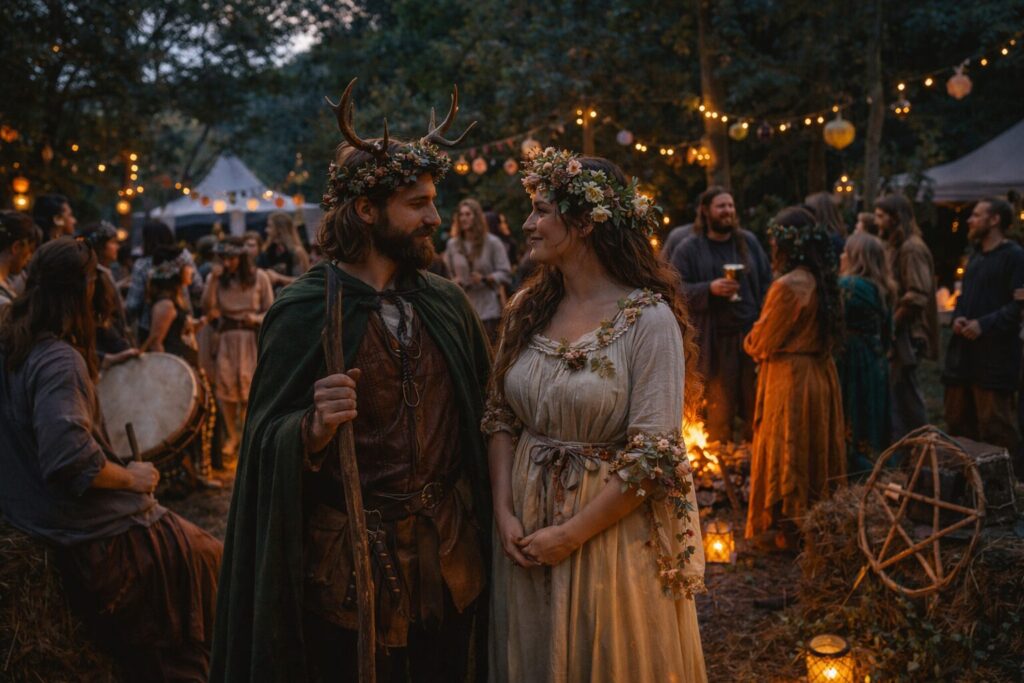
The Sacred Ways
Paths of Practice and Tradition
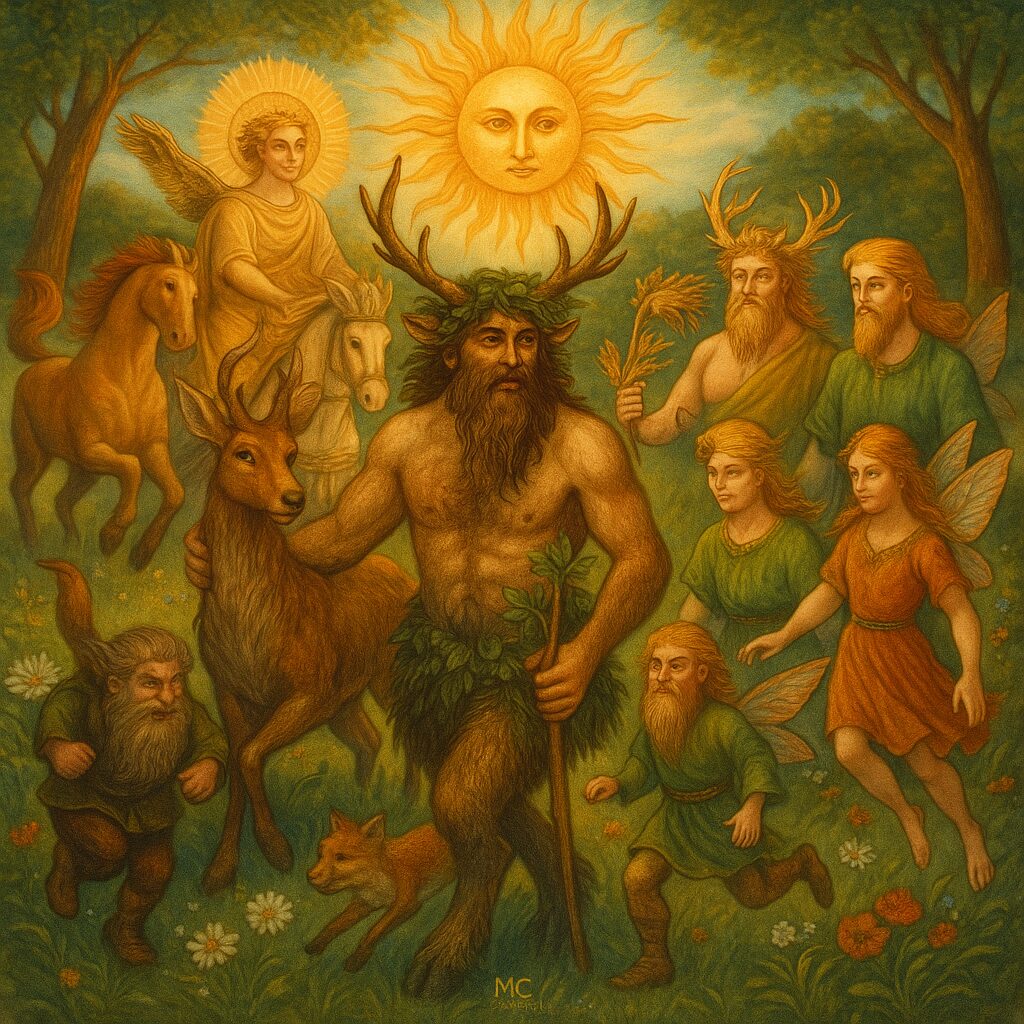
Solar Sabbats
Discover the significance and customs of the eight Solar Sabbats celebrated throughout the year.
Explore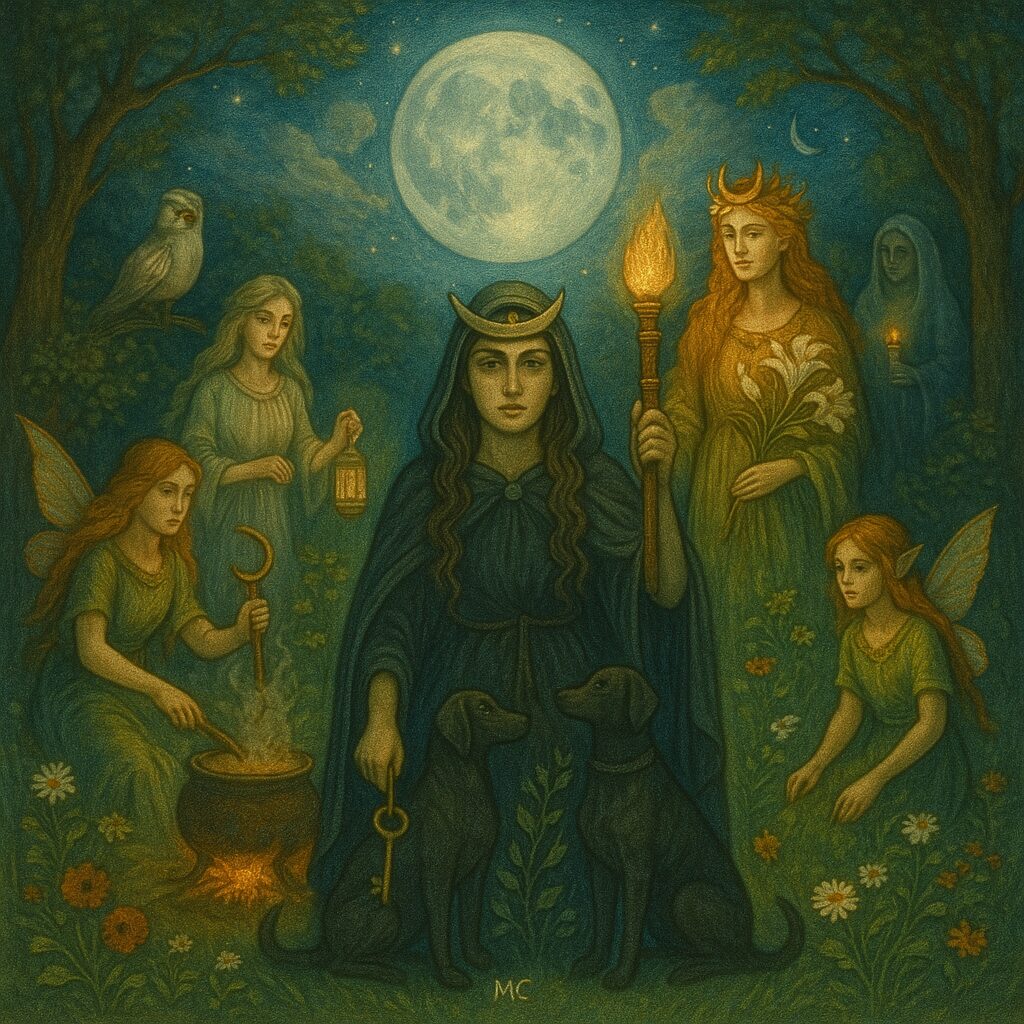
Lunar Practices
Uncover esoteric lunar traditions that guide spiritual growth and reflection in the coven.
Explore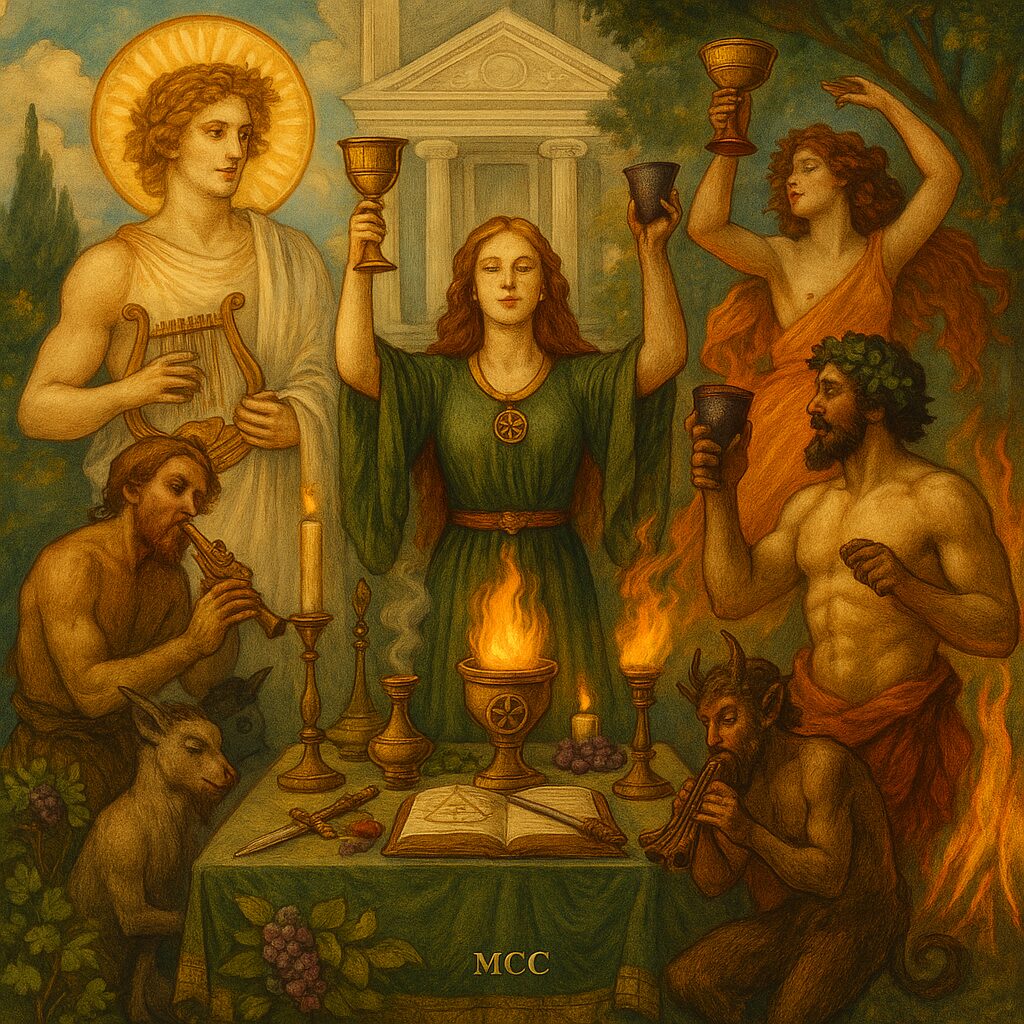
Pagan Traditions
Learn about diverse pagan customs from cultures around the world and their unique celebrations.
Explore
The Witch’s Lunar Calendar
Lunar phases are central to many magical traditions, not as rigid commandments, but as living currents. The moon’s changing light offers a dependable rhythm for spellwork, divination, and ritual — a way of listening for what is naturally supported in a given moment. In the Coven of the Veiled Moon, we treat lunar observance as both practical and devotional: a craft of timing, and a relationship with the living sky.
Waxing Moon
Best for: growth, attraction, building momentum, strengthening.
- Spells that gather power over time (confidence, discipline, protection that “thickens”).
- Workings for prosperity, opportunity, and steady improvement.
- Crafting, study, and long-form devotional practices.
Full Moon
Best for: charging, manifestation, communion, divination.
- Peak illumination — excellent for clarity, revelation, and “seeing what is.”
- Charge tools, talismans, water, and ongoing workings.
- Ritual celebration, spirit offerings, and devotional rites.
Waning Moon
Best for: cleansing, banishing, uncrossing, letting go.
- Removing what clings: harmful patterns, lingering fear, unwanted influence.
- Road-opening through clearing, not forcing.
- Protection work that focuses on reduction and sealing.
Dark Moon
Best for: shadow work, endings, deep rest, threshold rites.
- Not just “banish” — this is the quiet before the turning, where roots and truths are met.
- Ancestral work, grief-tending, and pattern-breaking that begins with honesty.
- Silence, incubation, and listening — the kind of work that doesn’t perform.
New Moon
Best for: intention, beginnings, dedication, quiet renewal.
- Where the cycle resets — not loud power, but clean direction.
- Plant intentions you can actually tend (promises with roots).
- Commitments, oaths, and first-steps rituals: small, true, repeatable.
Solar & Lunar Eclipses
Best for: transformation, fate-crossroads, sober divination.
- Eclipses are liminal and volatile — powerful, but not casual.
- Work well for major turning points, deep releases, and hard truth.
- Many practitioners favor prayer, protection, and divination over “routine” spellwork.