

“Love, unconquered in the fight … no immortal can escape thee”
Love brings people to witchcraft with some of their most vulnerable questions. Will someone choose me? Can this relationship recover? Is there still a road back to the person I miss? Behind a request for a working, there may be years of loneliness or a heartbreak so fresh that an ordinary day feels impossible. I can understand wanting help. Wanting to love and be loved is nothing to be ashamed of.
But some requests ask for something very different. Make them unable to stop thinking about me. Make them leave their partner. Make them need me so badly they cannot walk away. Those requests deserve a clear answer, and mine is no. The reason matters enough that I want to explain it without hiding behind a vague rule about “positive intentions.”
Someone else’s freedom does not become ours because we are hurting. Their affection, body, money, and future belong to them. A relationship requires their continuing participation, including the possibility that they may decline it or leave. Trying to remove that possibility is an attempt to take control of a life we have no right to own.
There is a difference between pursuing love and pursuing possession. Pursuit can include making an effort, taking a chance, expressing attraction, and asking whether something might grow. It can include magical work to open possibilities or strengthen a connection both people want. The line is crossed when another person’s refusal becomes something we intend to defeat. A former relationship does not erase that line, and marriage does not erase it either.
Sometimes insecurity helps explain how we arrive there. Being chosen by one particular person begins to feel like proof that we are attractive, worthy, or safe. Losing them seems to threaten more than the relationship; it threatens the story we tell ourselves about who we are. That pain deserves care, but another person cannot fairly be made responsible for curing it by surrendering their freedom.
Nor is every request born of wounded tenderness. Sometimes the attraction is a bank account, a comfortable house, social standing, or the satisfaction of winning. Wanting a financially stable partner is understandable. Seeking to bind a wealthy person to you for access to their resources is exploitation. It could cost them years, other relationships, and the opportunity to choose love for themselves. When someone knowingly seeks that harm for personal gain, I am willing to call the act evil. Putting roses around it does not make it kinder.
“When in excess and past all limits Love doth come, he brings not glory or repute to man”
These intentions are older than the internet. A surviving magical assemblage from Roman-period Egypt, now in the Louvre, includes a bound female figurine pierced by thirteen pins and an inscribed lead tablet. The working names Sarapammon and Ptolemais, seeking to draw her to him while denying her ordinary peace: eating, sleeping, and sexual relations with anyone else. We have the object and its demands; we do not have a reliable account of what happened to the people it names.

What survives is disturbing enough. Her distress is made the means of obtaining her compliance. Calling this “love magic” describes the desired attachment, but it does not make the intention loving. Someone’s suffering is being treated as an acceptable price for another person’s satisfaction. An old practice can still demand a hard ethical judgment from those of us practicing today.
History also asks us to be careful with accusations. In second-century Roman North Africa, Apuleius was accused of using magic to secure marriage to the wealthy widow Pudentilla. His surviving defense disputes the charge and describes conflicts over her wealth and her choice to remarry. That is evidence of an accusation. It also raises an uncomfortable possibility: declaring someone “bewitched” can become another way of refusing to accept their choice. Respecting freedom includes accepting a relationship we would not have chosen for them.
I write about this as a pagan and a witch. I believe magic can influence circumstances and exert pressure; the ethical objection does not depend on dismissing that possibility. Taking magical action seriously means taking responsibility for its purpose. If a working seeks to make someone restless, dependent, sexually compliant, or incapable of leaving, its intention is coercive. We do not need a successful result before we can recognize the attempted violation.
Will and love also ask different things of us. A determined will may seek a particular outcome, but a loving relationship requires concern for the person who must live inside that outcome. Attraction alone supplies neither compatibility nor kindness. Constant attention supplies neither trust nor understanding. To borrow a little “love and light” language, love is a high frequency: spiritually, it asks us to rise beyond the satisfaction of our own appetite.
There is another question worth facing – what happens when the working ends? In my understanding of the craft, coercive workings are neither permanent nor necessarily difficult to break. If imposed pressure is removed, there is no reason to assume genuine affection will remain. And if someone discovers an attempt to manipulate them, anger, disgust, and a lasting loss of trust would be understandable responses. A working cannot guarantee that you will be liked when the other person is free to see you clearly.
“O, how mine eyes do loathe his visage now!”
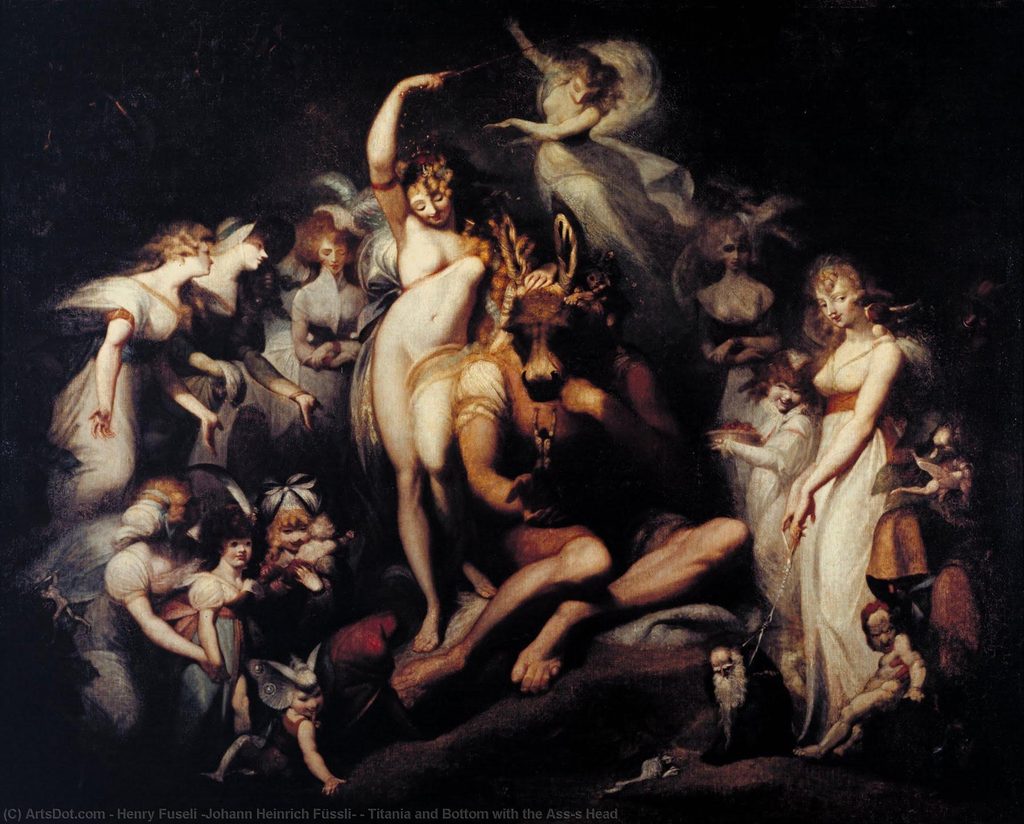
The enchanted fairy queen speaks those words after her imposed infatuation is lifted. The man she rejects is another victim of the manipulation, which makes the scene crueler still. It is a literary warning that attraction manufactured for someone else’s purposes offers no assurance of what will remain afterward.
Anyone considering an obsession working should read John Collier’s short story “The Chaser.” A young man welcomes the promise of all-consuming devotion, while the seller’s far more expensive poison suggests a future market for escape. The story asks whether the relentless attachment someone requests would actually be bearable. It also casts an unpleasant light on the person willing to sell it.

Practitioners have responsibilities here. Desperation should not become an opportunity to sell certainty, encourage dependence, or recommend a stronger working every time reality disappoints. Repeated readings can also become a way of postponing an answer we already dislike. A reading that suggests attraction does not override an actual refusal. Neither does a claim that two people are destined for one another.
But, there are worthwhile directions for love work. A simple road-opening intention might be: May the way open between me and someone with whom affection, desire, and commitment can be freely shared. Help me recognize that possibility and meet it with courage. That leaves room for another person’s will and for an outcome better than the one we have already imagined. It also asks something of us: to become available, make invitations, communicate honestly, and take the ordinary risks through which people meet.
Existing relationships can deserve magical support too, when both people want repair. Work for clearer communication or renewed warmth can accompany an apology, changed behavior, and the rebuilding of trust. It should support the work the people themselves are willing to do. A spell is no substitute for becoming a partner someone can safely choose.
If you recognize yourself in these pages, you can change direction without pretending the feelings have vanished. Stop feeding the effort to control the other person. Give yourself room to grieve, and let trusted people help you carry what hurts. You can seek love with courage and intention while accepting that someone else’s answer may still be no.
I will help open a road toward love. I will not help turn another person’s life into the price of your relief.
I wish you all peace!
Kael

Leave a Reply