Threshold Magic Protection
The Mystery of Guarding the Boundary
Every threshold is a meeting place.
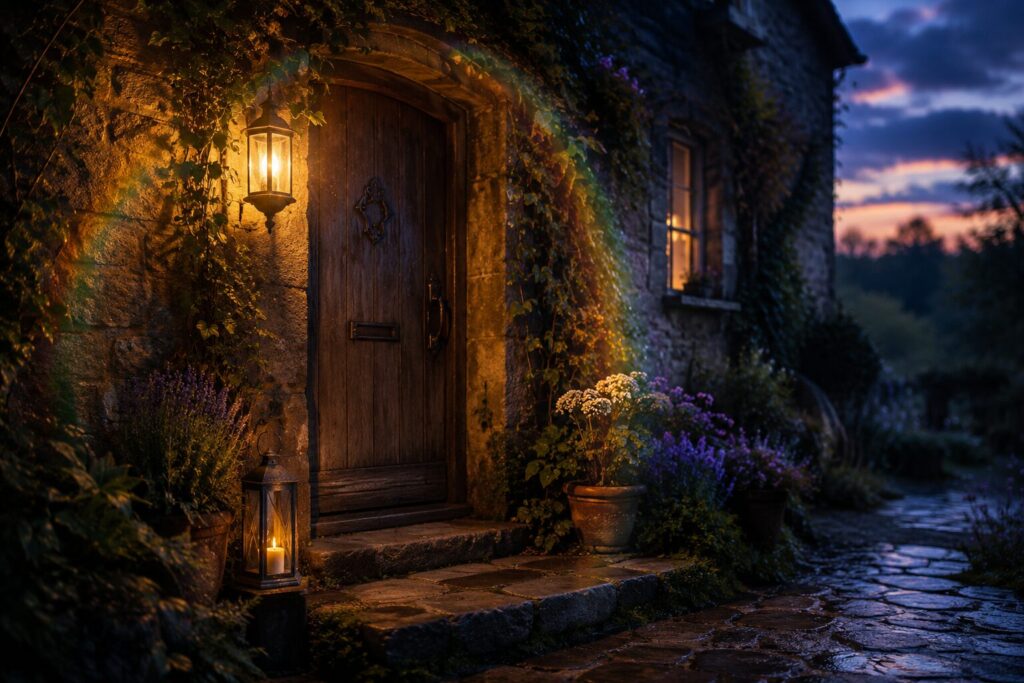
A doorway separates the home from the world beyond. A gate marks the edge of a garden. A window allows light to enter while still providing shelter. Thresholds define where one space ends and another begins, yet they also serve as places of connection. They are not merely boundaries; they are points of exchange.
For this reason, thresholds have held a special place in magical, spiritual, and folk traditions throughout history. They are where guests arrive, blessings enter, messages are received, and journeys begin. They are also where harmful influences may be turned away, where protections are placed, and where the guardianship of a home often begins.
Many forms of protection magic focus not on building walls, but on tending gates. The goal is rarely to close oneself completely to the world. Instead, it is to develop the wisdom to recognize what should be welcomed, what should be refused, and what requires greater discernment before being allowed to cross.
Threshold protection reflects this balance. It is the art of creating boundaries without isolation, hospitality without vulnerability, and openness without surrendering sovereignty. Whether expressed through prayer, symbols, herbs, blessings, candles, salt, offerings, or simple acts of mindful care, threshold work reminds us that protection is not merely about keeping things out. It is also about consciously choosing what we allow to enter.
In this way, threshold protection becomes more than a magical practice. It becomes a philosophy of stewardship. The threshold stands between worlds, and the one who tends it accepts responsibility for deciding what may pass between them.
The Keepers of the Gate
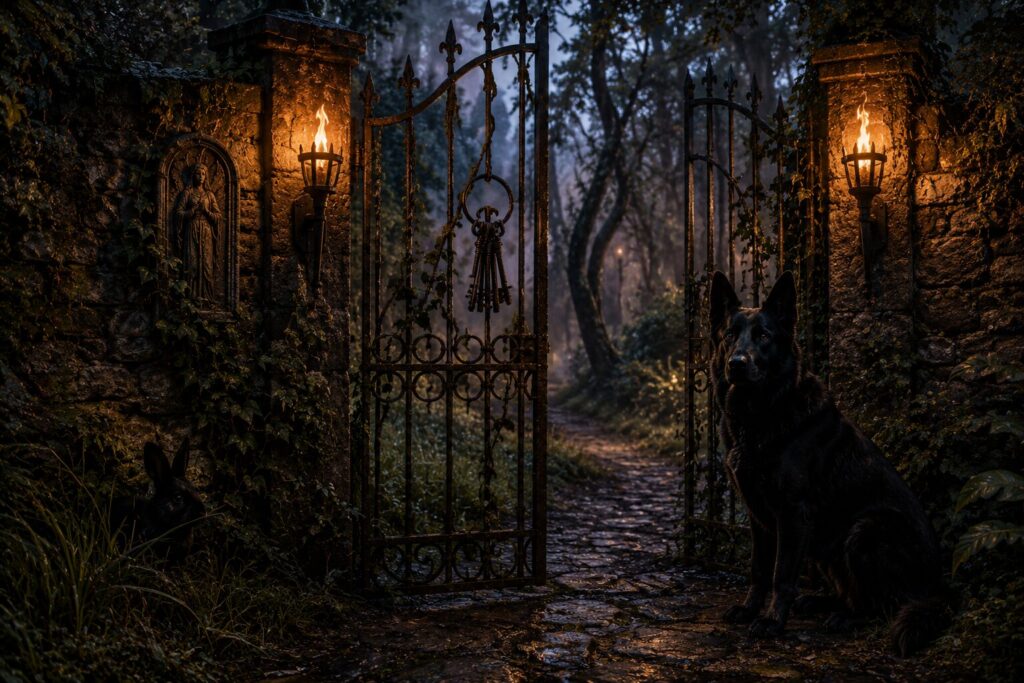
Across cultures, thresholds have rarely been viewed as empty spaces. Doors, gates, hearths, and boundaries were often understood as places requiring guardianship. Some traditions envisioned gods standing watch. Others honored ancestors, household spirits, protective powers, or the unseen presence of those who cared for the home before them. Whatever form they took, these figures reflected a common belief: thresholds matter.
“The threshold is where the stranger becomes a guest, and where the unknown is either welcomed or refused.”
Hekate Propylaia
Hekate Before the Gate
Among Hekate’s many titles is Propylaia, meaning “before the gate.” In this form she is associated with entrances, thresholds, and the spaces where one world gives way to another. Ancient people often honored protective powers at gates and doorways, recognizing that every entrance serves as both an invitation and a boundary.
The torches and keys associated with Hekate carry special meaning here. The torch illuminates what approaches. The key represents authority over what may enter. Together they symbolize awareness, discernment, and the wisdom to guard a threshold without closing it entirely.
For many witches, Hekate’s role at the gate reminds us that protection begins with attention. Before any ward is placed or charm is hung, someone must first be willing to stand watch.
Hermes Propylaios
Hermes Before the Gate
Hermes is often remembered as a traveler, messenger, and guide, yet some traditions also honored him as Propylaios, a guardian of entrances and boundaries. Stone markers dedicated to Hermes stood at roads, property lines, and places where one territory ended and another began.
His presence at the gate reminds us that thresholds are not only about protection. They are also about communication, exchange, and relationship. Every doorway welcomes something while simultaneously defining what belongs within.
In this role, Hermes represents discernment rather than exclusion. He teaches that healthy boundaries are not barriers to connection. They are what make meaningful connection possible.
The Hearth Mother
Keeper of the Inner Fire
Many traditions recognize a protective presence associated with the hearth, the center of the home, and the sacred responsibilities of care, nourishment, and belonging. If the threshold marks the edge of the household, the hearth represents its heart.
Across the pagan world, these qualities appear in many forms. Some practitioners see them reflected in Brigid, whose associations with hearthcraft, healing, inspiration, hospitality, and sacred flame have made her a beloved figure in many traditions. Others understand these protective currents through ancestors, household spirits, local powers, or different divine figures entirely.
Within MCC’s understanding, these qualities often resonate with the nurturing and protective aspects of the Mother of the Triple Goddess. One protects the entrance. The other sustains what has been welcomed inside. Together they create a balance between guardianship and hospitality.
This image appears throughout folklore, myth, and everyday practice: a warm fire, a welcoming table, and a household cared for with intention. Protection is not only about keeping danger out. It is also about cultivating what should remain within.
Folk Guardians of the Threshold
Those Who Watch the Door
Not every guardian bears the name of a deity. Throughout folk traditions, thresholds have been protected by ancestors, household spirits, blessed charms, carved symbols, hanging herbs, horseshoes, guardian figures, and countless local customs passed from one generation to the next.
Some traditions leave offerings for helpful spirits. Others place protective signs above entrances or bless the threshold during important seasons. While the details vary, the intention remains remarkably consistent: the threshold deserves attention and care.
These customs remind us that protection is often built through relationship rather than fear. A watched door, a tended home, and a remembered tradition all become forms of guardianship.
Traditional Threshold Protections
Across folk magic, household practice, and modern witchcraft, thresholds have often been protected through simple but meaningful materials. Salt, iron, herbs, candles, oils, washes, sigils, and sacred words all serve the same deeper purpose: to mark the boundary, bless the entrance, and consciously tend the place where one world meets another.
Salt
Salt is one of the most widely recognized tools of purification and protection. In threshold work, it may symbolize a clear boundary between what belongs within the home and what should remain outside.
Some practitioners use salt near doors, windows, gates, or property edges as a symbolic line of cleansing and refusal. Its power lies not only in the material itself, but in the intention to purify, define, and protect.
SaltIron
Iron has a long place in folk protection, especially around doorways, gates, tools, and household boundaries. It is often associated with strength, refusal, endurance, and the ability to turn away what should not enter.
Horseshoes, iron nails, old keys, and iron implements have all appeared in threshold customs. Whether used literally or symbolically, iron carries the feeling of a firm boundary: quiet, strong, and difficult to cross without permission.
Herbs
Protective herbs are often hung, scattered, bundled, burned, or placed near thresholds as signs of blessing and defense. Rosemary, rue, bay, mugwort, basil, and other plants appear in different traditions for cleansing, guarding, blessing, and warding.
Herbs bring the living world into threshold protection. They remind us that a home is not only defended by barriers, but also supported by relationships with land, plant, season, and spirit.
HerbsCandles & Flame
Light at the threshold has a powerful symbolic role. A candle in a window, a lantern by a door, or a flame lit during prayer can represent welcome, vigilance, blessing, and spiritual presence.
Flame does not only repel darkness. It reveals what approaches. In threshold protection, candlelight may serve as both invitation and watchfire: warmth for what is welcome, warning for what is not.
CandlesOils & Washes
Anointing a door, washing a threshold, or blessing a gate with prepared oils and waters can turn ordinary cleaning into spiritual care. These practices are especially useful for renewal after conflict, illness, grief, heavy visitors, or major transitions.
Oils and washes remind us that protection is not always dramatic. Sometimes it is maintenance: returning the home to itself, refreshing the boundary, and restoring the threshold to clarity.
OilsSigils & Symbols
Protective marks have been placed above doors, under mats, near windows, on lintels, and within hidden spaces for centuries. Some are inherited symbols. Others are personal sigils created for a specific home, person, or purpose.
A sigil at the threshold declares intention. It gives shape to the boundary and reminds the practitioner that the entrance has been noticed, named, and spiritually tended.
SigilsThough the tools differ, the intention remains remarkably consistent: to mark a boundary, bless an entrance, and consciously tend the place where worlds meet.

Hospitality & Guardianship
Threshold protection is often misunderstood as a practice of exclusion. Yet many traditional customs suggest something more balanced. The purpose of a threshold is not to seal the world away. It is to create a place where welcome and caution can exist together.
Throughout history, a well-tended threshold served two purposes. It protected the household from what was harmful while remaining open to what was beneficial. Guests were welcomed, travelers were offered shelter, blessings were invited, and relationships were nurtured. At the same time, harmful influences, ill intent, disease, misfortune, and spiritual disturbances were symbolically refused entry. Protection and hospitality were not opposites. They were partners.
This balance appears again and again throughout folk traditions. A lantern might be left burning in a window to guide loved ones home. A blessing might be spoken over a doorway before guests arrived. Protective herbs might hang above the entrance while food and drink waited inside. The same threshold that welcomed a friend could also mark the limit beyond which unwelcome influences were not permitted to pass.
For many modern practitioners, this remains one of the most valuable lessons of threshold work. Healthy boundaries are not walls. A wall rejects everything equally. A threshold allows for discernment. It creates a place where conscious choices can be made about what enters, what remains outside, and what deserves greater consideration before being welcomed further.
The threshold therefore becomes more than a physical location. It becomes a symbol of wise stewardship. We tend our homes, relationships, spiritual practices, and personal lives in much the same way. We choose what to cultivate. We choose what to refuse. We choose what to invite closer.
In this sense, threshold protection is not rooted in fear. It is rooted in responsibility. The guardian of a gate is not defined by what they keep out, but by how carefully they protect what lies within.
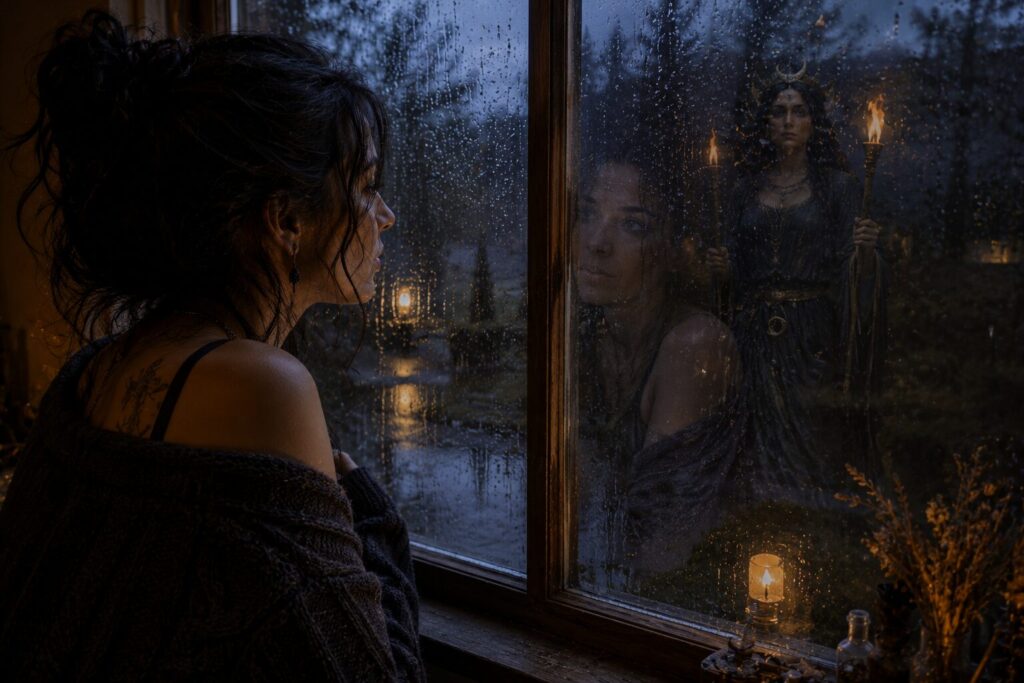
When most people hear the word “threshold,” they imagine a doorway, gate, window, or property line. Yet many of the most important thresholds we encounter are invisible.
Every relationship contains boundaries. Every conversation has limits. Every commitment, obligation, invitation, and responsibility creates a point where one thing ends and another begins. In this sense, thresholds exist not only in our homes, but throughout our lives.
A healthy threshold helps us decide what deserves access to our time, attention, energy, and trust. It allows us to remain open without becoming overwhelmed, compassionate without becoming depleted, and connected without losing ourselves in the needs and expectations of others.
Many modern practitioners speak of energetic boundaries, but the idea itself is far older than the phrase. Folk traditions, religious customs, and magical practices have long recognized that not everything should be welcomed equally. Just as a wise homeowner chooses who enters the house, a wise practitioner learns to be mindful of what enters the mind, the heart, and the spirit.
These living thresholds may appear in unexpected places. They can be found in the media we consume, the people we surround ourselves with, the causes we support, and the habits we cultivate. Some influences strengthen us. Others exhaust us. Some deserve deeper welcome. Others are better left standing outside the gate.
This does not mean withdrawing from the world. Threshold work is not isolation. It is discernment. The purpose of a gate is not to remain forever closed. The purpose of a gate is to open with intention.
For many witches, this becomes one of the deepest lessons of threshold protection. The strongest wards are not always the symbols placed above a doorway or the herbs hung over a lintel. Sometimes the strongest protection is the wisdom to recognize what belongs in your life and what does not.
Modern Threshold Practice
Modern threshold work often blends ancient customs with practical everyday habits. While the tools may differ from one practitioner to another, the goal remains familiar: to consciously care for the places where worlds meet and where transitions occur.
Door Blessings
Many practitioners periodically bless doors, gates, and entrances through prayer, spoken intention, candles, oils, herbs, water, or simple acts of gratitude. These practices help transform ordinary entrances into consciously tended boundaries.
Seasonal Refreshes
Many traditions renew protections during seasonal transitions, lunar observances, household cleansings, or important life events. A threshold is not usually protected once and forgotten. Like a garden, it benefits from regular attention.
Symbols & Wards
Some practitioners place sigils, protective symbols, charms, blessed objects, or meaningful artwork near entrances. These visible or hidden markers serve as reminders that the threshold has been acknowledged and intentionally protected.
Relationship with Place
For many witches, threshold protection extends beyond tools and techniques. Caring for the home, tending the hearth, maintaining healthy boundaries, showing hospitality, and respecting the spirits, people, and land connected to a place all become forms of protection.
A protected threshold is not maintained through fear. It is maintained through attention, intention, and care.
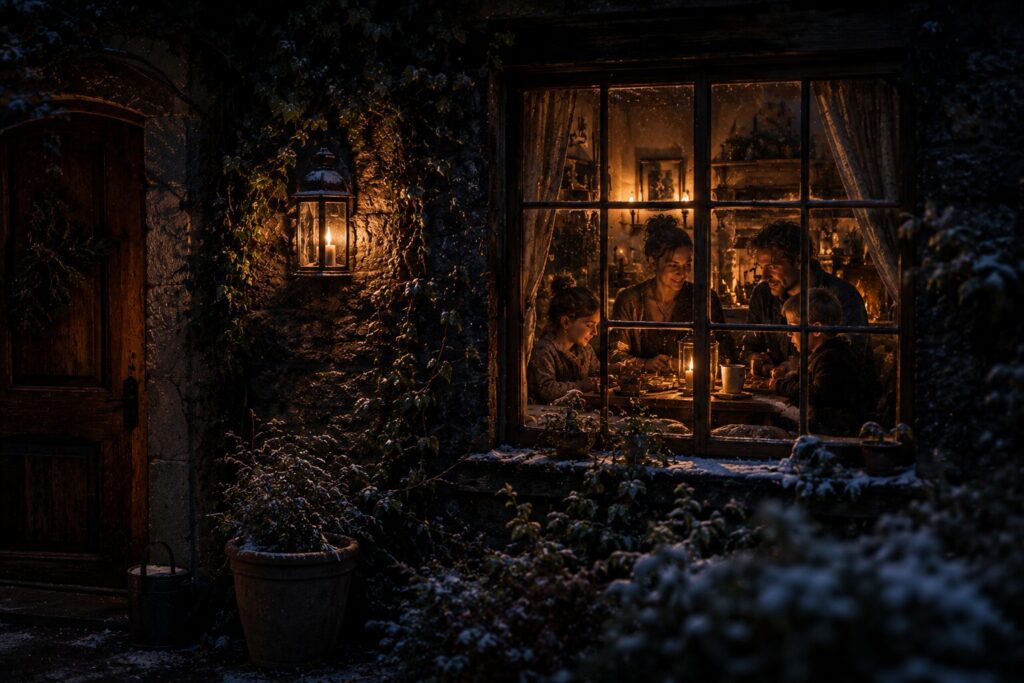
At the deepest level, threshold protection is not about fear. It is about stewardship.
A threshold is not a wall. A wall keeps everything out. A threshold allows passage, but only with awareness. It recognizes that life requires relationship, movement, exchange, and hospitality, while also honoring the need for protection, privacy, and peace.
The guardian at the door does not reject the world. The guardian pays attention. They notice what approaches. They welcome what nourishes. They refuse what harms. They understand that a home, a heart, a spirit, and a life all require boundaries if they are to remain whole.
This is the wisdom at the center of threshold magic protection. The goal is not to live sealed away from the world, but to live with discernment. Some things are meant to enter. Some things are meant to pass by. Some things must be stopped at the gate.
A protected threshold reminds us that we are allowed to choose what crosses into our sacred spaces. We are allowed to bless the doors we open. We are allowed to close the doors that need closing.
The strongest threshold is not the one that never opens.
It is the one that opens with intention.
Related Paths
Threshold protection exists where hospitality, guardianship, and discernment meet. Explore the related traditions, tools, and mysteries that connect to the protection of homes, boundaries, and sacred spaces.